
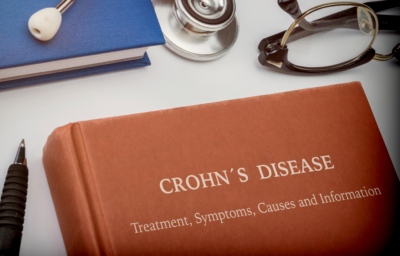
Navigating Travelling with Ulcerative Colitis or Crohn's Disease

Written by: Sarah Findlay Travel Insurance Expert

Reviewed by: Dr Ellen Welch NHS GP and resident medical expert
Read time: 7 minutes
A Crohn's or ulcerative colitis diagnosis can make even booking a holiday feel complicated. Unfamiliar food, long flights, and being far from a bathroom you trust are all real concerns, so it's no surprise that can you travel with Crohn's disease is one of the most common questions people with inflammatory bowel disease (IBD) ask before booking a trip. The good news is that with the right planning and cover, most people with IBD can travel safely and confidently.
In most cases, you can travel with Crohn's disease or ulcerative colitis, especially when your condition is stable or in remission. The key is planning around flare-ups, carrying medication correctly, and declaring your condition, since undeclared pre-existing conditions can invalidate your policy.
What are Crohn's disease and ulcerative colitis?
Crohn's disease and ulcerative colitis are the two main forms of inflammatory bowel disease (IBD), long-term conditions that cause inflammation of the digestive tract. Crohn's can affect any part of the gut from mouth to anus, while ulcerative colitis is limited to the colon and rectum. Both cause symptoms like abdominal pain, diarrhoea, fatigue, and periods of flare-up followed by remission, and both usually require ongoing medication to manage.
Can you travel with Crohn's disease? The key risks to plan for
Travelling with IBD is generally safe, but a few factors are worth thinking through before you go:
- Flare-up risk: Changes in routine: Stress, changes in diet and disrupted routines can affect bowel symptoms while you're travelling, even if your condition has been stable.
- Access to toilets: Long flights, coach transfers, or remote excursions can mean limited access to a bathroom when you need one.
- Food and water safety: Traveller’s diarrhoea can be particularly difficult to manage alongside IBD symptoms. Some medicines used to treat IBD suppress the immune system and can also increase the risk of more severe or prolonged infections, making food and water precautions particularly important.
- Medication logistics: Biologic injections, infusions, or specialist medication can be difficult to store, transport, or replace abroad if something goes wrong.
- Vaccinations: Some live travel vaccines may not be suitable for people taking certain immunosuppressive medicines
- Blood clots: People with IBD have a higher risk of venous thromboembolism (VTE), particularly during an active flare or after recent hospitalisation. On longer journeys, keep mobile where possible and discuss your individual risk with your medical team if you have additional risk factors.

Checklist: Tips for travelling safely with IBD
If you have discussed your condition with your gastroenterologist and you are happy you can travel, these steps can help reduce the risk of a flare-up disrupting your trip:
- Carry documentation for your medication: It can be useful to carry a copy of your prescription or a letter from your IBD team or prescriber confirming your diagnosis and treatment, particularly if you are travelling with injections, larger quantities of liquid medication or specialist medicines.
- Pack double the medication you need: Pack enough for the entire trip plus extra in case of delays.
- Research toilets and pharmacies at your destination: A little research on facilities near your hotel or route can ease a lot of anxiety on the day.
- Request an aisle seat near the toilet: Consider booking an aisle seat close to the toilet.
- Stick to safe food and water where you can: Follow destination-specific food and water safety advice. Where tap water may be unsafe, choose sealed bottled or appropriately treated water.
- Check vaccine requirements early: Speak to your IBD team well before you travel if your destination requires any live vaccines.
- Carry a translated symptom card: A simple card explaining your condition in the local language can help enormously if you need urgent care abroad.
When you should think twice about travelling
Travel isn't advisable for everyone with IBD at every point in time. It's worth speaking to a specialist team and reconsidering your trip if any of the following apply:
- You're experiencing a significant flare-up, or your treatment has recently changed because your condition is not well controlled.
- You've recently been admitted to hospital or had surgery and have not yet recovered.
- You're travelling somewhere with limited access to medical care, and your condition is unstable.
- Your consultant has specifically advised against travel until your condition is better controlled. Travelling against this medical advice could invalidate your travel insurance, so please consider this carefully before making any travel arrangements.
If in doubt, a quick conversation with your IBD team before booking is always worth it; it's much easier to postpone a trip than to manage a flare-up somewhere without the support you need.
Declaring Crohn's disease or ulcerative colitis for travel insurance
When you buy travel insurance, you must declare your Crohn's disease or ulcerative colitis during the medical screening process, even if you're currently in remission and feeling well. This applies whether you're on long-term medication, biologics, or haven't needed treatment for years.
If you don't declare it and need emergency treatment abroad related to your IBD, or any complication your insurer considers connected to it, your policy could be invalidated. That can leave you covering the cost of overseas hospital treatment, medication, and repatriation yourself, leaving you responsible for substantial treatment and repatriation costs
Here at Total Travel Protection, we believe a diagnosis like Crohn's disease or ulcerative colitis shouldn't stop you from seeing the world. We make our medical screening process straightforward, so you can declare your pre-existing conditions and travel honestly and get correct cover in place, giving you the confidence to book your next trip.
Crohn's disease and ulcerative colitis are both classed as pre-existing conditions by travel insurers, even if you're currently in remission or haven't needed treatment recently. You'll need to declare it during the medical screening process every time you take out a new policy.
Having a stoma as a result of Crohn's or ulcerative colitis surgery doesn't always prevent you from getting travel insurance. You'll need to declare the stoma and the condition that led to it.
Flying is generally safe for people with stable IBD. Choosing an aisle seat, staying hydrated, and keeping medication in your hand luggage are the main practical adjustments most people need. It's worth packing extra supplies plus any documentation outlining what medication/equipment you're using may be useful depending on what is carried explaining any equipment you're carrying through security.
It can, as long as you've declared your Crohn's disease or ulcerative colitis and the insurer has accepted it as covered under your policy. Cover for undeclared conditions, or conditions the insurer has specifically excluded, won't apply, so it's important to check your policy documents before you travel.
It depends on your destination and your current treatment. Some vaccines are live and may not be suitable if you're on immunosuppressants or biologics, so it's best to speak to your IBD team or a travel health clinic several weeks before you go.