Can I go on holiday this summer?
Wed. 22nd July 2026

Sarah Findlay is an established travel writer with extensive experience in travel related topics, specialising in travel insurance and the key considerations affecting UK travellers overseas.
Read time: 7 minutes
With the summer holiday season underway, many people are weighing up whether now is the right time to book a trip. Ongoing news coverage around airport disruption, airline delays, industrial action and fuel supply concerns has prompted plenty of questions from travellers looking for reassurance before making plans.
Although these stories can make travel feel uncertain, they don't reflect the experience of most holidaymakers. Every day, thousands of flights depart on schedule and millions of people travel successfully both within the UK and overseas.
Rather than focusing on headlines alone, it can be helpful to understand what protections are available if something does go wrong, what your rights are if travel plans change, and how different booking options compare.
Whether you're planning a beach escape, a European city break or a UK staycation, this guide covers some of the most common questions people are asking about travelling this summer.
Is it still possible to travel this summer?
Yes. Despite reports of occasional disruption, airlines, airports, hotels and holiday providers continue to operate throughout the summer, with the vast majority of journeys taking place as planned.
Media coverage naturally highlights unusual events, but these represent only a small proportion of overall travel. For most people, holidays continue without any significant issues.
Before booking, it's worth checking the latest FCDO travel advice for your chosen destination, booking through an established travel provider and making sure you have suitable travel insurance in place.
Should I be worried about booking a holiday?
For most travellers, there's no reason to avoid booking solely because of recent headlines.
Travel disruption can occur at any time of year for a variety of reasons, but consumer protections are available in many situations. If additional peace of mind is important, a package holiday may offer greater protection than arranging flights and accommodation separately.
Could jet fuel shortages affect holidays?
Recent media reports have raised questions about jet fuel supplies, but current government guidance states that UK airlines are not experiencing a jet fuel shortage. The government continues to work alongside the aviation industry and international partners to help minimise disruption where possible.

What happens if fuel supply issues affect a flight?
If an airline is unable to operate a scheduled flight because of fuel availability, responsibility for managing the disruption rests with the airline.
Depending on the circumstances, it may choose to:
- Delay the departure until fuel becomes available.
- Use a different aircraft.
- Transfer passengers onto another service.
- Cancel the flight if no practical alternative can be arranged.
Passengers should rely on updates issued directly by their airline, which will provide information about any changes to travel arrangements.
What are my rights if a flight is cancelled?
Where a flight cannot go ahead, airlines are generally required to offer affected passengers the choice of a full refund or an alternative flight. Travellers may also choose to be rebooked for a later date if that better suits their plans.
For journeys covered by UK or EU passenger rights legislation, airlines also have a duty of care while passengers wait for replacement travel. Depending on the circumstances, this may include meals and refreshments, overnight accommodation where required, transport between the airport and hotel, and reasonable access to communication.
These protections generally apply when:
- Departing from a UK or EU airport on any airline.
- Flying into the UK on a UK airline.
- Flying into the EU on an EU airline.
Additional compensation is not always available. If disruption is caused by extraordinary circumstances outside the airline's control, such as a widespread fuel shortage, compensation may not be payable. However, the airline's obligation to offer a refund or alternative travel, together with its duty of care, would still apply.
Travellers who have booked a package holiday may also have additional rights through their tour operator under package travel regulations.
Why do package holidays offer extra protection?
When planning a holiday, you can either book each part of your trip separately or choose a package holiday. While both options can work well, package holidays generally come with additional legal protections if something goes wrong.
A package holiday is created when you buy at least two different travel services for the same trip from one organiser. This could include a combination of flights and accommodation on the same booking.
In the UK, package holidays are covered by the Package Travel and Linked Travel Arrangements Regulations 2018. These regulations place responsibility on the package organiser for delivering the holiday as agreed.
If a significant part of the package cannot be provided - for example, a flight is cancelled, your accommodation is unavailable or there is a major change to your itinerary - the organiser is responsible for helping resolve the issue. Depending on the circumstances, this could include arranging suitable alternatives, offering a refund where appropriate or providing compensation if the regulations require it.
Having one company responsible for your booking can also make resolving problems simpler, as travellers don't have to deal with multiple suppliers individually.
Do I need travel insurance?
Travel insurance is designed to help provide financial protection against unexpected events that could affect your trip before you travel or while you're away.
The level of cover varies between policies, but travel insurance may include:
- Emergency medical treatment and 24-hour medical assistance.
- Cancellation or cutting a trip short for insured reasons, such as illness or injury.
- Lost, stolen or delayed baggage.
- Personal possessions.
- Personal liability.
- Travel delays or missed departures, where included by the policy.
As with any insurance product, it's important to read the policy wording, exclusions and limits carefully to understand what is and isn't covered.

Should I cancel my holiday because of recent news?
News reports about travel disruption can understandably cause concern, but they don't necessarily mean holidays will be affected.
Unless your airline, holiday provider or tour operator contacts you about changes to your booking, or official travel advice changes for your destination, most holidays continue as planned.
Choosing not to travel because of personal concerns alone does not entitle travellers to a refund from an airline or tour operator. Similarly, travel insurance won't cover cancellation simply because someone decides they no longer wish to travel.
Where could you travel this summer?
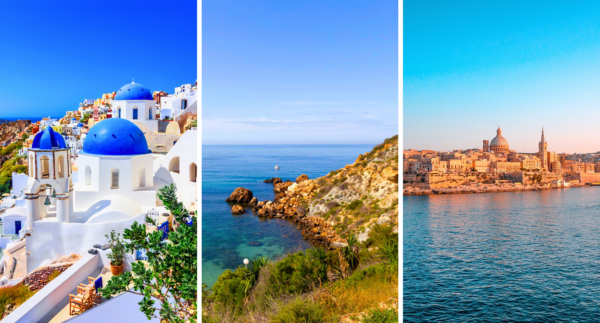
There are still plenty of destinations offering warm weather, good value and a wide choice of accommodation.
Some popular options include:
Greece – Well known for its islands, beaches and family-friendly resorts, with accommodation ranging from self-catering apartments to luxury hotels.
Cyprus – A popular choice for sunshine holidays. As Cyprus is not part of the Schengen Area, UK travellers are not subject to the EU's Entry/Exit System (EES) border checks when visiting.
The Algarve, Portugal – A long-standing favourite thanks to its coastline, golf courses and accommodation suitable for a range of budgets.
Costa Blanca, Spain – Home to lively beach resorts, quieter coastal towns and attractions for couples, families and groups.
Malta – Combines Mediterranean beaches with historic attractions, making it a popular destination for travellers looking to mix relaxation with sightseeing.
How can you find last-minute holiday deals?
Travellers looking to book closer to departure may still find competitive prices, particularly if they're flexible with destinations or travel dates.
It can be worth comparing prices across a range of providers, including:
- Package holiday companies.
- Traditional travel agents.
- Holiday comparison websites.
- Airline holiday providers.
- Tour operators' late deal pages.
- Offers that include free child places where available.
In some cases, package holidays can cost less than booking flights and accommodation separately, particularly during peak travel periods.
Will the EU Entry/Exit System (EES) affect my holiday?
The EU's Entry/Exit System (EES) will change the way many non-EU travellers enter and leave countries within the Schengen Area.
If you're travelling to a country where EES applies, it's worth familiarising yourself with the new process before you travel.
You can find out more here: EU Entry/Exit System - GOV.UK
Travel insurance
Total Travel Protection travel insurance has no upper age limits and can provide cover for declared pre-existing medical conditions.
Remember Total Travel Protection do medical screening differently so you may get a better price.